

In the current online age, maintaining a carefully crafted website is crucial for any business looking to make an impact online. A website functions as the digital front of your business, rendering it imperative to select the best website developer who can realize your vision to life. With https://sink-or-swim-marketing.com/website-design-ireland/ of designers and agencies available, navigating this landscape can be daunting. Understanding what to seek and what to not consider is key to making sure that your website not just seems appealing but also functions effectively.
This article delves into the key factors behind effective website design, providing insights on how to select the appropriate designer for your purposes. From recognizing the key qualities of a professional web designer to spotting red flags in possible hires, we will cover vital aspects like user experience, mobile design, and SEO-friendly strategies. By the end, you will be equipped with the information necessary to locate a designer who comprehends your brand identity and can create a website that generates results. Let us explore what makes a website designer truly successful and how you can take an educated decision for your business.
Choosing the Right Web Designer
Choosing the best web designer for your company is a critical step that can decide the outcome of your digital presence. Begin by identifying your specific needs and goals. Think about the kind of website you require, whether it's an e-commerce, a portfolio site, or a blog. This understanding will help limit your options. Look for designers who focus in the type of work you need, as they will have the appropriate experience and insight to satisfy your needs.
When evaluating potential web designers, pay particular attention to their past work and portfolio. This offers a window into their abilities and talent, helping you evaluate if their style aligns with your goals. Don't hesitate to ask for examples of similar projects they've completed. Additionally, client feedback and testimonials can offer valuable insights into the designer's reliability and competence. A comprehensive designer will not only have a strong portfolio but also a solid reputation in the industry.
Dialogue is crucial in any effective partnership. Ensure that your chosen web designer is someone who pays attention to your ideas and input, while also providing constructive input. A good designer should be receptive to collaboration, recognizing that your insights about your business are essential to the design process. Creating a clear line of communication from the start can greatly enhance the project’s outcome and ensure that your ideas is effectively converted into the completed website design.
Key Qualities of a Professional Designer
A professional website designer holds a diverse skill set that goes beyond just aesthetics. They must have a strong understanding of user experience, ensuring that each element of the design contributes to a seamless and pleasurable journey for visitors. This comprises knowledge of how users navigate websites and what holds them engaged. Great designers also stay updated with the latest trends and technologies in web design, which empowers them to implement modern practices that may enhance usability and appeal.
Another critical quality is effective communication. A proficient designer actively listens to their clients' needs and ideas, translating them into a unified design that corresponds with the brand's identity. They are also skilled at providing constructive feedback and guiding clients through technical concepts, making the design process more joint and less overwhelming. This degree of engagement builds trust and guarantees that the final product fulfills or goes beyond expectations.
Additionally, a seasoned designer focuses on responsiveness and accessibility. They acknowledge the importance of designing sites that look good and operate well across various devices and screen sizes. This includes optimizing for mobile use, ensuring fast loading times, and making the site accessible for users with disabilities. By concentrating on these aspects, a designer not only improves user satisfaction but also maximizes the overall effectiveness of the website in meeting business goals.
Key Design Considerations
When starting a website development project, it is essential to emphasize the user experience. A properly designed website creates exploration easy and guarantees that visitors can discover the information they need quickly. A focus on UX not only improves client happiness but also increases customer retention rates. Effective designers include elements that lead users seamlessly through the site, minimizing site exits and enhancing overall engagement.
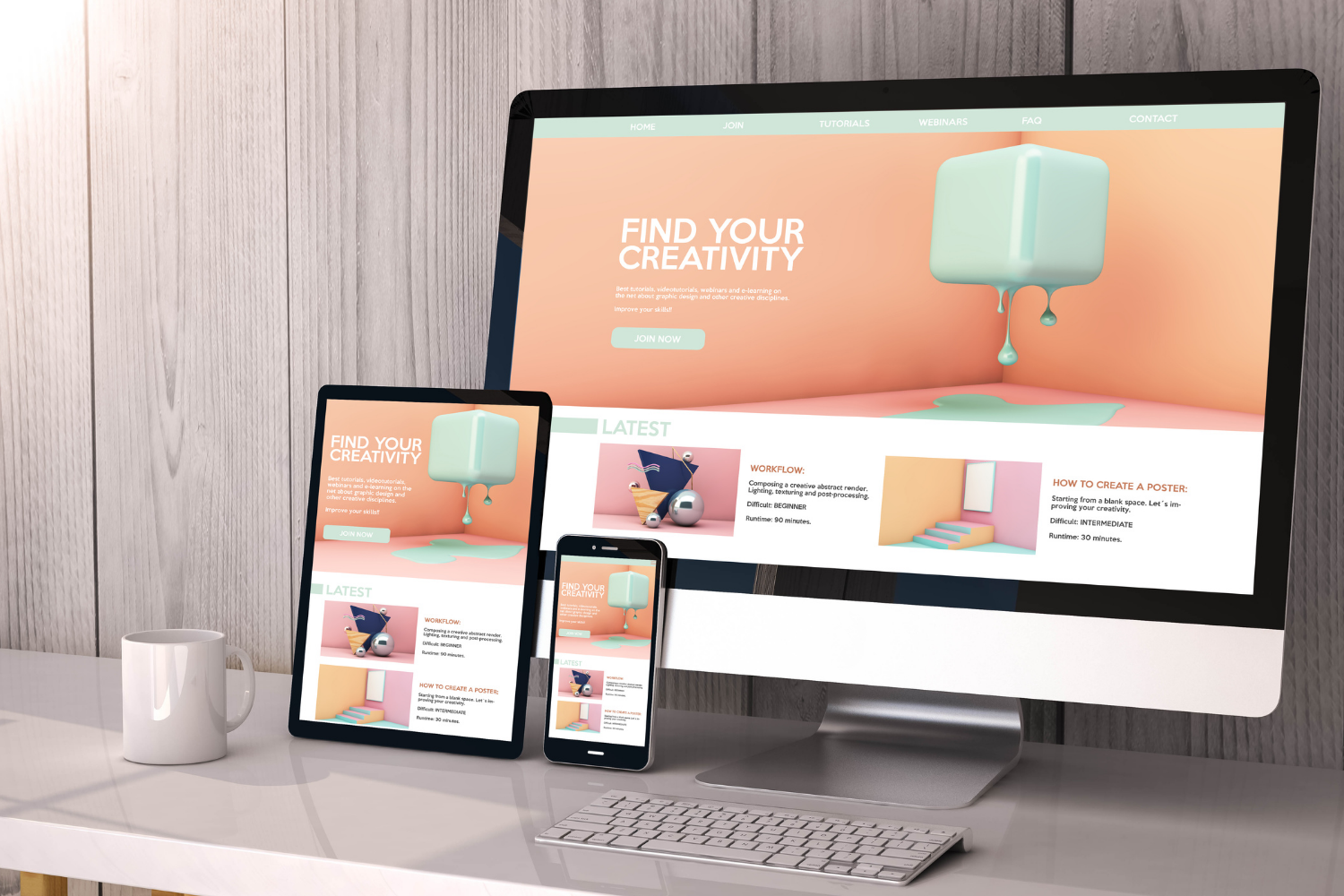
Another vital factor is mobile design. With a significant amount of web traffic deriving from smartphones and tablets, your website must adapt to different screen sizes without sacrificing functionality. A competent website designer should make certain that your site looks seamlessly on phones and portable devices. This commitment to responsive design is essential in the current web landscape, where users expect a uniform experience throughout all devices.
Lastly, consider the significance of optimized for search engines design. Your website's architecture plays a pivotal role in how Google and other search engines crawl and rank your site. A designer with a deep understanding of SEO principles will create a structure that optimizes page load speed and integrates relevant phrases, all while upholding aesthetic appeal. This two-pronged focus on aesthetics and practical functionality is key to not only drawing in visitors but also turning them into dedicated customers.