

Within the rapidly changing digital landscape, having a distinctive website is no longer just an option and a necessity for companies of any size. As we move towards 2024, website design trends are shifting in ways that demand consideration, fresh ideas, and a clear understanding of user needs. From visual aesthetics to functionality, the role of a website designer has grown to be more crucial. Choosing the right designer can make or break your online presence, impacting everything from user experience to customer conversions.
As you start the journey of updating your website or establishing a new one, it's crucial to determine the qualities that define a professional website designer. Do they stay informed with current trends, recognize the importance of mobile responsiveness, and prioritize user experience? https://niadd.com/article/1408889.html aims to guide you through the important factors of hiring a website designer, ensuring that you make educated choices that align with your organizational aims. Whether you're evaluating custom designs or templates, or looking to integrate essential features like SEO and e-commerce capabilities, recognizing what to look for in a designer will guide you towards the path to online success.
Choosing the Right Web Designer
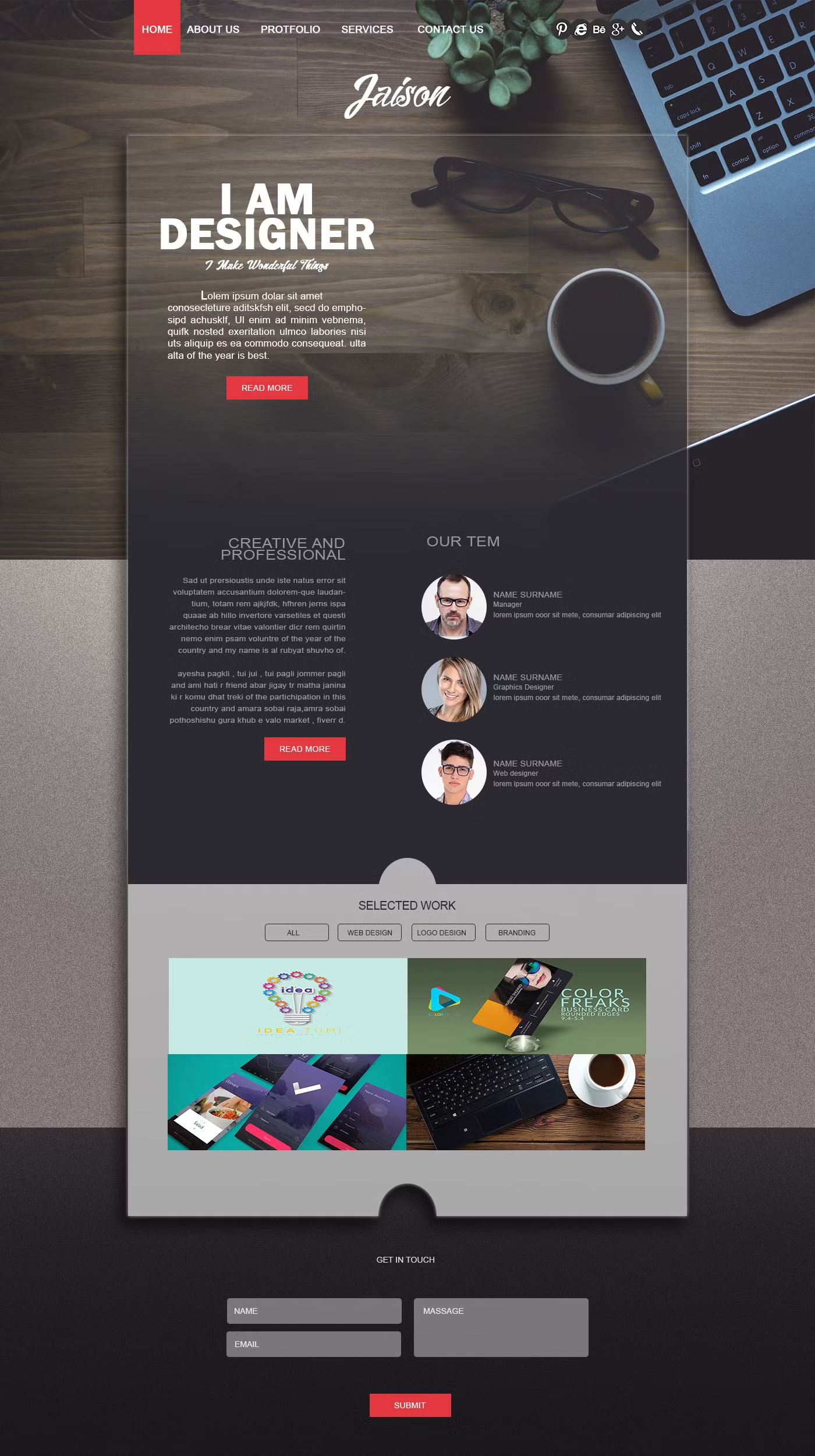
Choosing the best web designer for your company can result in a significant difference in fulfilling your digital goals. Begin by defining your particular needs. Consider aspects such as the type of site you want, whether it's for e-commerce, a blog, or a business presence. By outlining your objectives, you can more effectively evaluate potential designers based on their expertise and background in your targeted area. It's crucial to make sure that their work samples matches with your ideas, demonstrating similar projects that highlight their capabilities.
When considering web designers, consider their key qualities. A skilled web designer should have strong communication skills, imagination, and a solid grasp of user experience principles. Additionally, they should be updated on current web design styles and have knowledge of SEO, making sure your website is both visually pleasing but also optimized for search engines. Determine how well they comprehend your brand identity, as this will influence the overall design and effectiveness of your website.
Ultimately, watch out for red flags when choosing a designer. Be careful of those who make unrealistic assertions or are missing a comprehensive portfolio. It's essential to research client feedback and recommendations to gauge their credibility. Look for transparency in their fees and processes; a designer who is open about their methods and addresses your concerns is more likely to produce a effective project. By paying close attention to these elements, you can find a web designer who will improve your digital footprint.
Important Characteristics of a Professional Designer
A expert website designer should possess a robust blend of digital skills and artistic vision. They need to be adept in multiple design software and scripting languages, allowing them to create aesthetically appealing and functional websites. This expert expertise ensures that the designer can address everything from user interface visuals to developer functionalities, creating a smooth experience for users. A solid understanding of design principles, hue theory, and typography is also vital, as these elements greatly impact the overall aesthetic and navigability of the website.
In furthermore to digital skills, effective communication is another crucial quality of a skilled website designer. They should be able to grasp your commercial goals and convert them into a consistent design strategy. This means actively listening to your concepts, providing valuable feedback, and keeping you informed throughout the design process. A designer who communicates well not only creates a team-oriented environment but also ensures that the end product meets your expectations and business identity.
Finally, versatility and a dedication to keeping current with design trends set exceptional designers from others. The online landscape is continuously evolving, and a top-notch designer should be flexible enough to incorporate new technologies and design trends into their work. They should also be initiate about comprehending user experience and mobile responsiveness to ensure that your website remains current and efficient. By emphasizing these characteristics, you can ensure that you are partnering with a designer who will provide a high-quality website that generates results.
Current Trends in Web Design
As we move into 2024, one of the most important movements in web design is the focus on user experience (user experience). try this website are progressively focusing on creating user-friendly interfaces that simplify browsing and improve overall functionality. This commitment to user experience not only increases user happiness but also leads to higher conversion rates. A site that is easy to navigate and aesthetically pleasing keeps users engaged, ultimately boosting business growth.
Another trend gaining momentum is the inclusion of responsive design. With the majority of users accessing websites via their smartphones, designing for mobile first has become a must. Designers are embracing flexible grid systems and utilizing speedy elements to ensure that sites perform seamlessly across multiple devices. official site accommodates user preferences but also fits in with search engine optimization practices, improving positions for mobile-compatible websites.
In conclusion, eco-friendliness in web design is becoming a key focus. Designers are seeking to minimize energy consumption by adopting green methods, such as optimizing website speed and cutting down on data-intensive elements. This focus not only supports the environment but also boosts user experience by creating more efficient loading times. The transition towards green web design reflects a growing consciousness of the impact on the environment, drawing in a responsible consumer base that appreciates ethical business strategies.